Why Regular HVAC Filter Replacement Matters for You

Maintaining a comfortable indoor environment is essential for your well-being, and one of the most crucial components of your heating, ventilation, and air conditioning (HVAC) system is the air filter. Regular HVAC filter replacement is not just a maintenance task; it is vital for your health, energy efficiency, and the longevity of your HVAC system. In this post, we will explore the importance of timely filter changes and how they can significantly impact your home and health.

Understanding HVAC Filters
HVAC filters serve a fundamental purpose: they trap dust, allergens, and other particles from the air circulating in your home. This process helps improve indoor air quality and ensures that your HVAC system operates efficiently. There are various types of filters available, including:
Fiberglass Filters: These are the most basic and affordable options. They capture larger particles but may not be effective against smaller allergens.
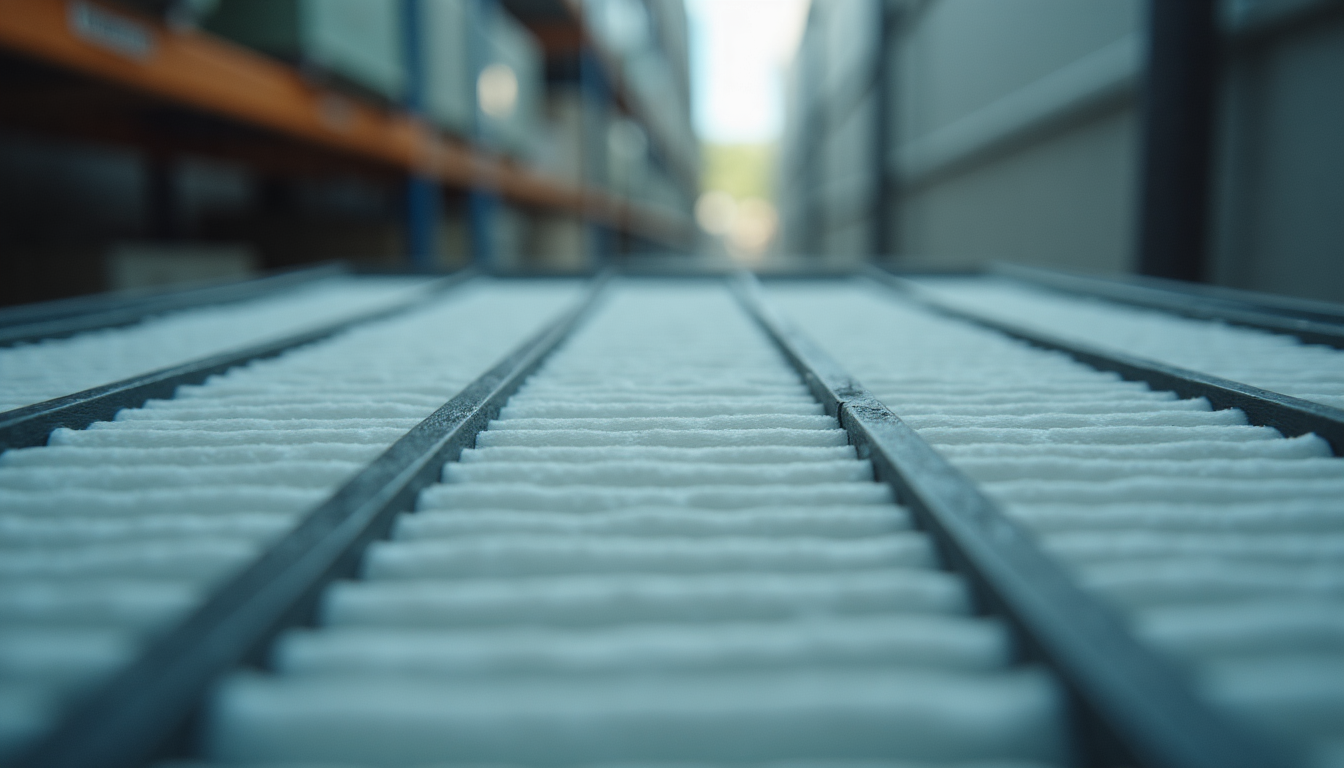
Pleated Filters: These filters have a larger surface area and can trap smaller particles, making them a better choice for allergy sufferers.
HEPA Filters: High-Efficiency Particulate Air filters are designed to capture 99.97% of particles that are 0.3 microns or larger, providing the highest level of air filtration.
The Importance of Regular Replacement
Improved Air Quality
One of the most significant benefits of regular HVAC filter replacement is improved indoor air quality. Over time, filters become clogged with dust, pollen, pet dander, and other pollutants. When this happens, the filter can no longer effectively trap these particles, allowing them to circulate in your home. This can lead to respiratory issues, allergies, and other health problems.
Energy Efficiency
A dirty filter forces your HVAC system to work harder to push air through. This increased strain can lead to higher energy consumption and increased utility bills. According to the U.S. Department of Energy, replacing a clogged filter can reduce your energy consumption by 5% to 15%. Regular filter changes can help maintain optimal airflow and efficiency, saving you money in the long run.
Extended Equipment Lifespan
Your HVAC system is a significant investment, and regular maintenance is key to prolonging its lifespan. A clogged filter can cause your system to overheat and lead to mechanical failures. By replacing your filters regularly, you can help ensure that your HVAC system operates smoothly and efficiently, reducing the likelihood of costly repairs or replacements.
Consistent Comfort Levels
A clean filter allows for better airflow, which means your HVAC system can maintain consistent temperatures throughout your home. When filters are dirty, some areas may become too hot or too cold, leading to discomfort. Regular replacement helps ensure that your system can effectively regulate indoor temperatures.
Reduced Allergens and Irritants
For individuals with allergies or asthma, maintaining clean air is crucial. Regularly replacing your HVAC filter can significantly reduce the number of allergens and irritants in your home. This is especially important during allergy seasons when pollen counts are high.
How Often Should You Replace Your HVAC Filter?
The frequency of filter replacement depends on several factors, including:
Type of Filter: Fiberglass filters should be replaced every 1 to 3 months, while pleated filters can last up to 6 months. HEPA filters may need replacement every 6 to 12 months.
Household Size: Larger households with pets or multiple occupants may require more frequent changes due to increased dust and allergens.
Location: Homes in dusty or high-pollen areas may need more frequent filter replacements.
As a general rule, check your filter every month and replace it when it appears dirty or as recommended by the manufacturer.
Tips for Effective HVAC Filter Maintenance
Choose the Right Filter
Selecting the right filter for your HVAC system is crucial. Consider your specific needs, such as allergies or pets, and choose a filter that meets those requirements.
Set Reminders
To ensure you don’t forget to replace your filter, set reminders on your phone or calendar. This simple step can help you stay on top of your HVAC maintenance.
Keep Spare Filters on Hand
Having spare filters readily available can make it easier to replace them when needed. This way, you won’t have to run to the store at the last minute.
Consider Professional Maintenance
In addition to changing your filters, consider scheduling regular professional maintenance for your HVAC system. Technicians can perform thorough inspections and cleanings, ensuring your system operates efficiently.
Monitor Air Quality
Invest in an indoor air quality monitor to keep track of the air quality in your home. This can help you determine when it’s time to replace your filter based on the levels of pollutants detected.
Common Myths About HVAC Filters
Myth 1: All Filters Are the Same
Not all HVAC filters are created equal. Different filters have varying levels of efficiency and are designed for specific purposes. Always choose a filter that suits your needs and system requirements.
Myth 2: You Only Need to Change Filters When They Are Dirty
While it’s essential to replace dirty filters, waiting until they are clogged can lead to decreased efficiency and potential damage to your HVAC system. Regularly scheduled replacements are the best practice.
Myth 3: Higher MERV Ratings Are Always Better
While a higher MERV (Minimum Efficiency Reporting Value) rating indicates better filtration, it can also restrict airflow if your system isn’t designed for it. Always consult your HVAC manufacturer’s recommendations.
Conclusion
Regular HVAC filter replacement is a simple yet effective way to improve your indoor air quality, enhance energy efficiency, and prolong the lifespan of your HVAC system. By understanding the importance of this maintenance task and following best practices, you can create a healthier and more comfortable living environment.
Take action today: check your HVAC filter and set a schedule for regular replacements. Your health, comfort, and wallet will thank you!
Comments